Wound Care: The Biofilm Challenge

The presence of microbial colonies within acute and chronic wounds represents a major clinical barrier to successful healing.

Impact of Biofilms on Wound Healing

  • Impeded Healing: Microbial colonisation, often forming structured biofilms, triggers persistent inflammation that actively prevents a wound from progressing through the normal healing stages. This often leads to the classification of wounds as chronic, where healing is significantly delayed or completely stalled.
  • Systemic Risk: These microbial communities serve as a protected source for acute and systemic infection, posing a serious threat to patient health.
  • Dressing Contamination: Biofilms are not limited to the wound bed; they can also form on the wound dressings and materials used to treat the area, undermining the intended therapeutic effect and potentially contributing to odour and cross-contamination.
 

  • Unpleasant Odour: Active microbial infection and growth are frequently the source of unpleasant odour, which impacts patient quality of life and clinical management.

Treatment Strategy

Effective wound management requires a dual strategy targeting both the planktonic microbes and the resilient biofilm structure. Biofilms can be treated and managed through advanced antimicrobial and antibiofilm therapies, including specialised wound irrigating solutions, hydrogels, and next-generation wound dressings.


Medical Devices: A Critical Biofilm Threat

Biofilm formation on medical devices represents a significant threat to patient safety and clinical efficacy, often leading to persistent infection and device malfunction.

The Biofilm Challenge

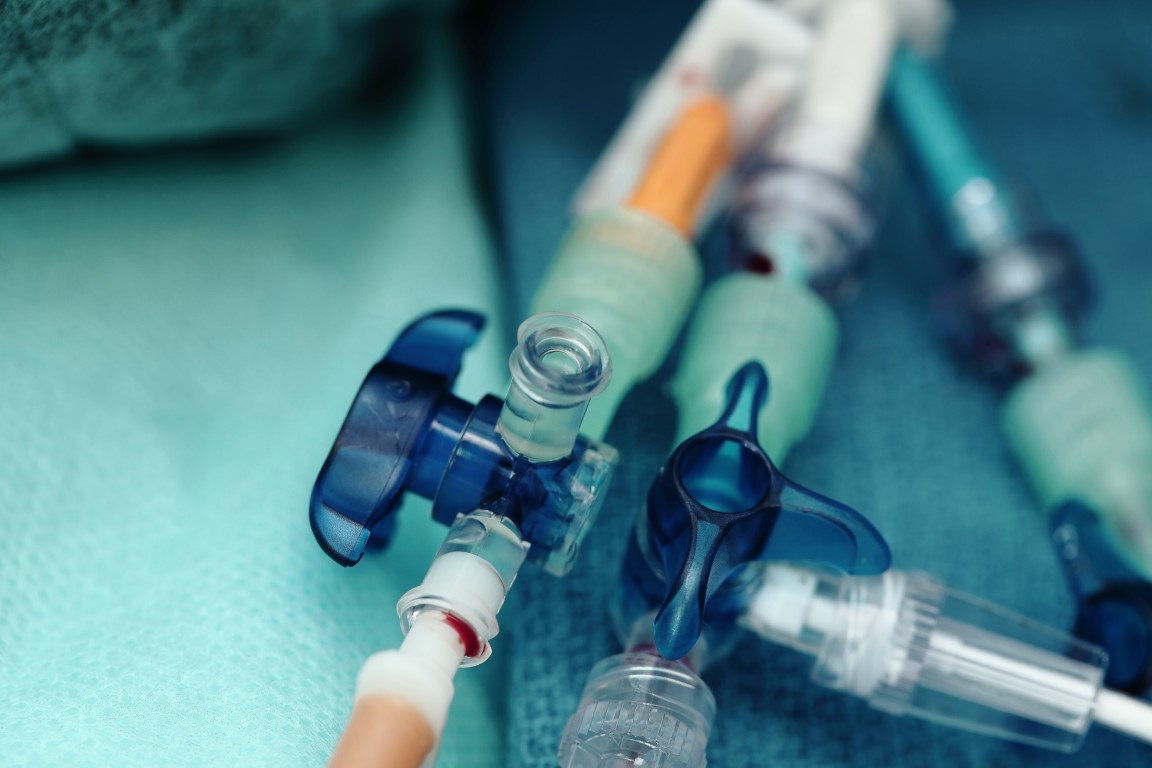
  • Biofilms can readily colonise a wide array of devices implanted or introduced into the body, including catheters, vascular stents, prosthetic heart valves, and joint implants
  • Once established, the highly protected microbial colonies within the biofilm matrix become extremely tolerant to conventional antibiotics and host immune responses.
  • The resulting persistent infections can necessitate difficult and costly procedures, including the premature removal and replacement of the medical device.


MetxBio’s Solution for Device Protection

MetxBio provides advanced, proprietary antibiofilm and antibacterial strategies designed to proactively prevent microbial colonisation and subsequent biofilm formation on medical devices:

  • Protective Coatings: Applying MMC coatings directly to the device surface provides an immediate, sustained antibiofilm barrier.
  • Maintenance Solutions: Utilising MMC solutions for regular washing or flushing of devices (e.g., catheters) to manage and prevent initial attachment.
  • Next-Generation Materials: Developing novel materials that control the sustained release of MMC into the surrounding biological environment, ensuring long-term microbial control at the implantation site.


Water Systems: Managing Microbial Threats

Biofilm formation is a pervasive and costly problem across virtually all industrial, municipal, and commercial water systems. Unmanaged microbial colonisation leads to critical operational failures and significant health risks.

The Challenge in Water Systems

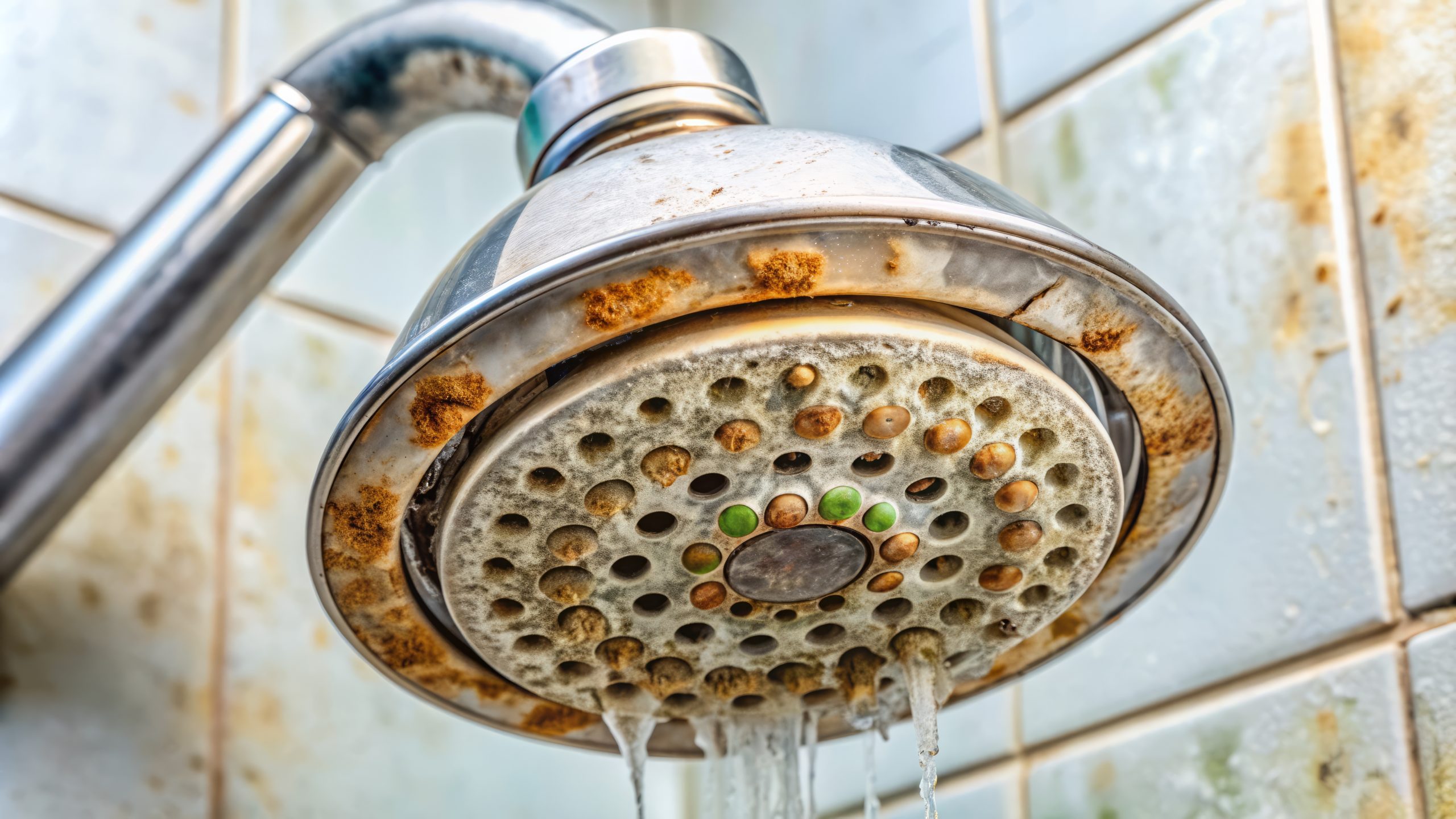
  • System Degradation: Biofilms create persistent layers on pipes, heat exchangers, cooling towers, and filtration membranes. This leads to reduced flow efficiency, accelerated corrosion (Microbially Influenced Corrosion – MIC), and increased energy consumption.
  • Operational Downtime: Biofilm accumulation necessitates frequent, costly chemical cleaning cycles and maintenance, resulting in substantial operational downtime and disposal expenses.
  • Health & Safety Risks: In potable water and industrial systems (such as cooling towers), biofilms can harbor and protect dangerous pathogens, including Legionella and Pseudomonas, posing severe health threats.


  • Reduced Efficacy: In filtration and purification systems, biofilms clog membranes and reduce the overall effectiveness and longevity of the system components.

MetxBio’s Solution for Water Integrity

MetxBio’s MMC technology provides a highly effective, continuous solution for maintaining microbial control and system integrity in water environments:

  • Biofilm Elimination & Prevention: Our formulations are designed to integrate seamlessly into circulation systems, actively breaking down existing biofilms and preventing the attachment and colonisation of new microorganisms.
  • Non-Corrosive Control: MMC offers powerful antimicrobial action without contributing to the corrosive damage caused by many harsh conventional biocides.
  • Improved Efficiency: By maintaining clean surfaces and controlling fouling, MetxBio solutions ensure optimized heat exchange, improved flow rates, and reduced operational costs across the entire water infrastructure.


Skincare and Personal Care: Overcoming Biofilm Resistance

Biofilms pose a major challenge in dermatology and personal care due to their ability to shield bacterial colonies from treatment, leading to persistent and often chronic skin conditions.

The Role of Biofilms in Skin Health

  • Persistent Inflammation and Infection: Biofilms are structured clusters of microbes encased in a protective polymer matrix. When these form on the skin, particularly in areas like chronic wounds or acne-prone regions they act as a physical and chemical barrier.
  • Treatment Resistance: This protective structure makes the microbes up to a thousand times more tolerant to conventional topical treatments, antibiotics, and the body’s natural immune response. This resistance is the primary driver behind persistent infections and prolonged inflammatory states.


  • Worsening Chronic Conditions: The presence of biofilms can significantly worsen the severity and duration of common skin conditions, including acne, eczema, dermatitis, and chronic non-healing wounds, often resulting in treatment failure.

MetxBio’s Targeted Approach

Effective skincare and personal care must move beyond simply killing planktonic (free-floating) bacteria. A successful strategy requires formulations that can disrupt the protective matrix. MetxBio’s technology provides a dual-action solution designed to target both the microbial community and the surrounding biofilm structure, ensuring comprehensive protection and leading to lasting resolution of complex skin issues.


Marine and Industrial Use: The Challenge of Biofouling

Biofilms, often referred to as biofouling in marine and industrial settings, represent a critical challenge on any surface exposed to water, leading to severe economic and environmental consequences.

The Impact of Biofouling

  • Shipping Inefficiency (Economic & Environmental): The growth of extensive microbial biofilms on the hulls of ships significantly increases hydrodynamic drag. This increase in resistance directly translates to higher fuel consumption and a corresponding spike in CO2​ emissions, drastically raising operational costs and carbon footprints.


  • Corrosion and Degradation: In industrial environments (like pipelines, heat exchangers, and storage tanks), biofilms accelerate Microbially Influenced Corrosion (MIC) and degrade materials, reducing equipment lifespan and requiring expensive maintenance.
  • Vector for Invasive Species: The extensive microbial layer acts as an initial adhesive surface for larger organisms (algae, barnacles) and can inadvertently serve as a vector for the global spread of invasive aquatic species, disrupting local ecosystems.

MetxBio’s Solution for Surface Integrity

Managing biofouling effectively requires coatings that prevent initial microbial attachment and subsequent biofilm maturation. MetxBio provides advanced solutions utilising our MMC technology, designed to be integrated into high-performance antibiofilm paints and protective coatings to maintain surface efficiency and ensure regulatory compliance in marine and industrial operations.


Oral Care: The Plaque and Biofilm Challenge

The oral cavity is a complex environment where microbial biofilms are a constant presence, driving the majority of common dental diseases and posing chronic health risks.

The Problem in Oral Health

  • Plaque Formation: Dental plaque is, fundamentally, a biofilm—a complex community of microorganisms encased in a protective matrix. When left untreated, this biofilm hardens into calculus (tartar).
  • Disease Drivers: Uncontrolled oral biofilms are the primary etiological agents for:
    • Dental Caries (Cavities): Acid produced by biofilm microbes erodes tooth enamel.
    • Periodontal Disease: Biofilms along the gumline initiate gingivitis and eventually progress to periodontitis, leading to chronic inflammation, bone loss, and tooth loss.


  • Treatment Resistance: Similar to other anatomical sites, oral biofilms protect pathogenic bacteria from antimicrobial agents, making long-term management difficult.
  • Device Colonisation: Biofilms also readily colonise dental devices, such as orthodontic retainers, dentures, and dental implants, compromising hygiene and function.

MetxBio’s Solution for Enhanced Oral Hygiene

MetxBio’s advanced antibiofilm technology offers an effective strategy to manage the resilient microbial communities in the mouth. Our solutions can be integrated into high-performance oral care products to:

  • Disrupt Plaque: Actively break down the protective biofilm matrix, preventing the progression of gingivitis and periodontitis.
  • Reduce Microbial Load: Deliver sustained antimicrobial activity to reduce the count of key oral pathogens.
  • Protect Devices: Keep oral appliances and implants cleaner and free from damaging microbial accumulation.